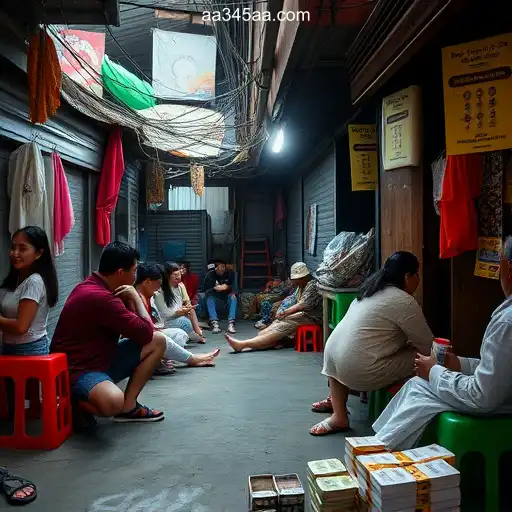
Understanding Jueteng: The Filipino Numbers Game
Jueteng is a popular numbers game in the Philippines, deeply embedded in the cultural and social fabric of the country. This underground lottery-style gambling activity, although illegal, thrives in various regions due to socioeconomic factors, political patronage, and its widespread acceptance among the populace.
The History and Origin of Jueteng
The origins of jueteng can be traced back to the Spanish colonial period in the Philippines. It began as a means for locals to wager small bets for significant returns, similar to other number-based gambling games around the world. Over time, jueteng evolved, primarily in rural areas, becoming a staple form of entertainment and a source of livelihood for many Filipinos.
How Jueteng Works
Jueteng involves bettors choosing a combination of numbers, usually between 1 and 37. Bets are placed with a "kubrador," a neighborhood bet collector who records the numbers and the names of the participants. These numbers are then submitted to a "cabo," who consolidates the bets and forwards them to the "jueteng lord." The numbers are drawn, often through clandestine means, with winners announced shortly thereafter. Winners receive cash prizes, typically paid out by the kubrador within the day.
While winnings can be significant, the odds of winning in jueteng remain slim. However, its appeal persists, primarily due to low entry costs and the allure of a quick financial turnaround.
The Socioeconomic Impacts of Jueteng
Jueteng has ingrained itself in Filipino society due to the country's economic situation. With poverty affecting a substantial portion of the population, jueteng offers a seemingly accessible escape for many. It provides temporary relief from financial burdens, making it especially attractive in areas with limited employment opportunities.
Furthermore, jueteng has evolved into a sort of community activity. People bet in groups, often forming social bonds with other bettors, kubradors, and community leaders involved in its operations.
Political Influence and Corruption
Jueteng has long been associated with political corruption and patronage. Political figures in the Philippines have been known to exploit the system, using jueteng proceeds to finance campaigns or to gain influence over voters. This connection between politics and jueteng perpetuates its existence, as certain officials turn a blind eye to its operations in exchange for support and financial backing.
Attempts to crack down on jueteng have often been thwarted by this intricate network of influence. Many officials are alleged to be personally involved, shielding the operations from legal scrutiny and enabling its continued proliferation.
Efforts to Legalize and Regulate Jueteng
The government has made several efforts to curb and regulate gambling by introducing alternatives such as the "Small Town Lottery" (STL). The STL aims to channel jueteng gambling into a legal, regulated format. However, these efforts have had limited success due to trust issues, operational flaws, and resistance from individuals benefitting directly from the illegal jueteng industry.
Advocates for legalization argue that legalizing jueteng could generate significant tax revenues and provide better regulatory oversight. Legalization might also offer better protection for consumers and reduce the risks associated with illegal betting.
Modern Context and Global Parallels
In the digital age, gambling dynamics are changing, with more people turning to online platforms for their betting activities. The rise of the internet has introduced platforms like "aa345 Brasil: O Melhor Cassino Online e Apostas Esportivas," offering a wide array of betting options beyond traditional games like jueteng.
These online gambling platforms have garnered international attention due to their convenience, accessibility, and the broad range of gambling activities offered, from casino games to sports betting. As such, the appeal of traditional games like jueteng faces challenges from these digital alternatives.
Globally, countries are grappling with similar issues concerning illegal gambling operations. In many instances, these are seen as both a cultural pastime and a socioeconomic necessity, complicating efforts for eradication or transition into legal frameworks.
The Future of Jueteng in the Philippines
The future of jueteng in the Philippines remains uncertain. While legal solutions exist, socio-economic realities, cultural acceptance, and political dynamics cloud the path forward. The pivotal question is how to balance cultural traditions with modern regulatory needs and ethical considerations in gambling.
As the Filipino government and society continue to address the issues surrounding illegal numbers games like jueteng, integrating lessons from global practices may illuminate viable strategies. Such approaches would need to consider ethical gaming principles while offering socio-economic benefits to communities reliant on such gambling activities.
Ultimately, addressing the jueteng issue holistically could lead to innovative solutions, restoring public confidence in legal gambling alternatives like regulated lottery systems and online platforms.